Clear Coatings for Commercial Buildings: Epoxy, Polyurethane and Anti-Graffiti Explained
By Brush & Build Brothers ·
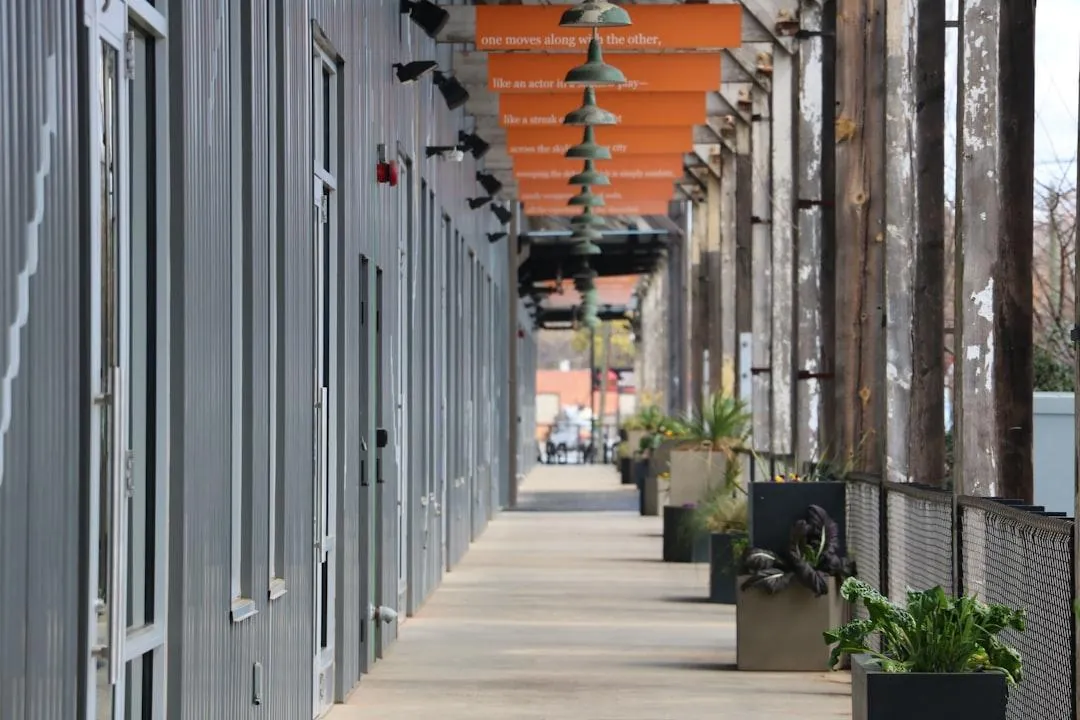
Why Businesses Use Clear Coatings for Long-Term Protection
A clear coating is one of the smartest ways for a business owner to protect and preserve a property's surfaces.
Quick answer: what to know right away
- Clear coatings are transparent protective layers applied over painted or bare surfaces to seal them, protect them and extend their life.
- Unlike paint, they add no color, only protection (and sometimes sheen).
- They guard against scuffs, UV damage, chemicals, moisture and heavy foot traffic.
- Common types include epoxy, polyurethane, acrylic sealers and anti-graffiti coatings.
- Cost depends on the coating type, the surface and how much prep it needs.
Whether you run a retail storefront, a corporate office, a medical facility or a warehouse, the condition of your surfaces sends a message to clients and employees. A worn, scuffed wall or a deteriorating floor finish can quietly undermine your brand even when everything else looks great.
Clear coatings address that quietly and cost-effectively. They sit on top of your existing surfaces and take the punishment so the material underneath doesn't have to.
This guide covers the main coating types, surface prep and what to consider for Charlotte-area properties.
What Is a Clear Coating, and How Is It Different from Paint?
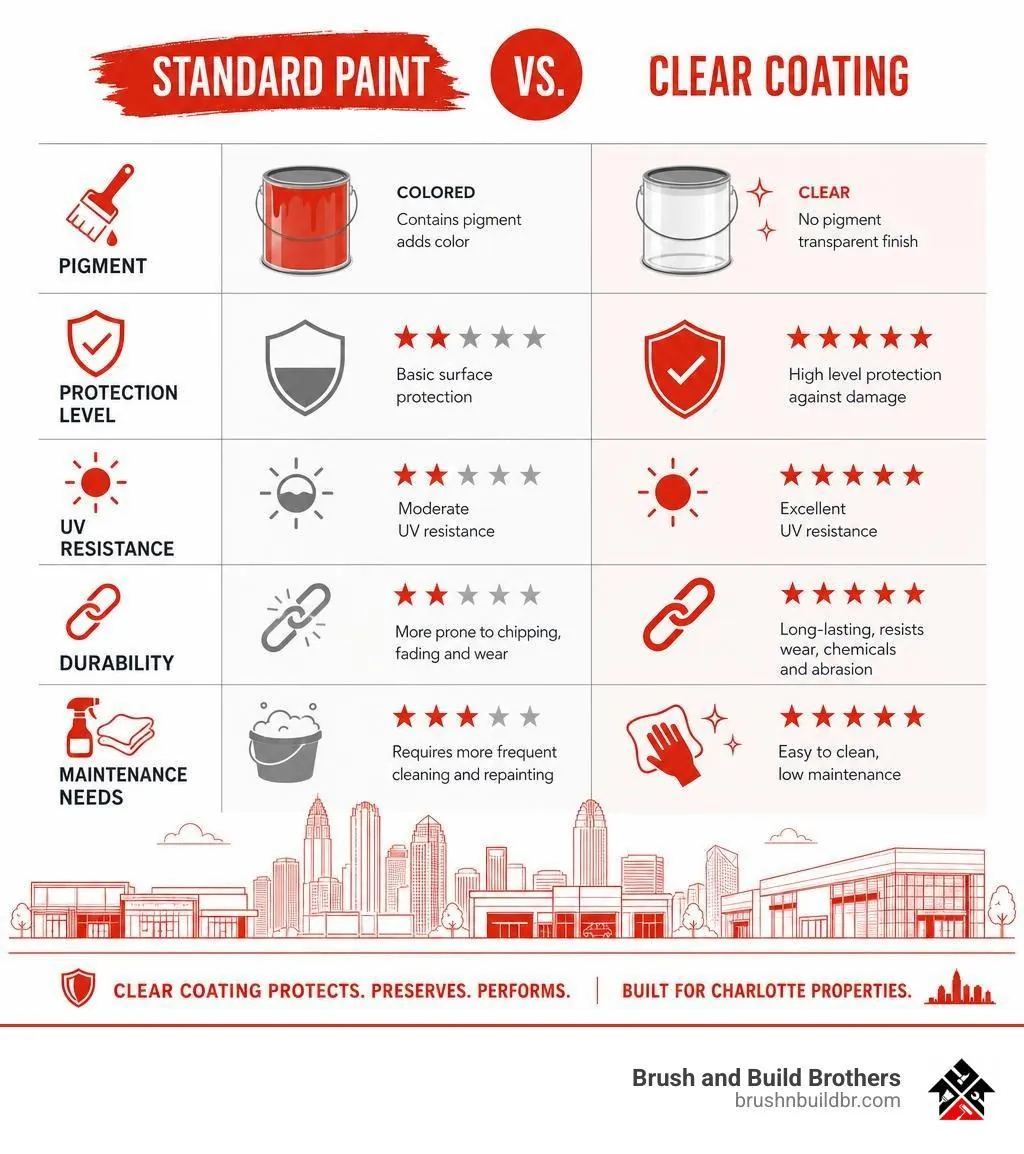
Standard commercial paint relies on pigment to provide color, hide imperfections and give basic surface protection. But it's vulnerable to heavy wear, chemical exposure and UV. Over time, high-traffic walls get scuffed, and exterior paint starts to chalk, fade or peel under the North Carolina sun.
A clear coating is a pigment-free finish engineered for protection and durability. Because it goes on transparent, the underlying material, whether polished concrete, natural wood, exposed brick or a freshly painted brand-color wall, shows through while a tough protective layer sits on top.
Clear coatings come in several sheens:
- Matte / flat: a non-reflective, modern look that hides surface imperfections.
- Satin / eggshell: a soft luster that's easy to wipe clean.
- Semi-gloss: a noticeable shine that reflects light well, useful in dark corridors or industrial settings.
- High-gloss: a dramatic, mirror-like finish with the highest moisture and chemical resistance.
Think of a clear coat as a screen protector for your building. To see how protective finishes fit into a broader upgrade, read more about commercial painting.
What Clear Coatings Do for a Commercial Property
Durability and Wear Resistance
Commercial spaces take daily abuse that homes never see. Pallets bump warehouse walls, office chairs scrape corridors and thousands of shoes cross retail floors. Clear coatings resist impact, abrasion and scuffing, so the surface underneath stays intact.
Protection from the Charlotte Climate
From humid summers to freezing winter nights, exterior surfaces in the Charlotte area expand and contract constantly. UV-resistant clear coats keep the sun from fading exterior paint or drying out wood and masonry, and they act as a moisture barrier that keeps water out of brick and concrete, where it can cause cracking during freeze-thaw cycles.
Brand Image and Easier Upkeep
Your building represents your brand. A clean, well-maintained facility builds trust with clients and lifts employee morale, and surfaces that clean easily stay looking that way longer.
Whether you manage an office in Uptown or a business in Mint Hill, protecting high-wear surfaces is a smart part of maintenance. For the interior side of your property, see our interior painting services.
Choosing the Right Clear Coating for High-Traffic Areas
Clear coatings aren't all the same. The right formulation depends on the surface, the location and the kind of wear it will face.
| Coating Type | Primary Benefits | Best Applications | Durability |
|---|---|---|---|
| Epoxy clear coat | Extreme hardness, chemical resistance, high build | Concrete floors, warehouses, auto shops | High (interior only) |
| Polyurethane | UV resistance, flexibility, scratch resistance | Exterior metal, wood trim, high-traffic corridors | Excellent (interior & exterior) |
| Acrylic sealer | Fast drying, breathable, cost-effective | Brick, masonry, concrete | Moderate (interior & exterior) |
| Anti-graffiti | Non-stick surface; spray paint washes off | Exterior retail walls, public facades, transit areas | High (exterior) |
- Epoxy coatings: the workhorses of industrial floors. They form a thick, very hard barrier that resists heavy equipment, oil spills and harsh cleaners. Epoxies can yellow in direct sunlight, so they're used indoors.
- Polyurethane coatings: when a finish has to handle intense sunlight and impact, polyurethane is the answer. It stays flexible as temperatures change, so it works on interior high-wear walls and exterior architectural elements alike.
- Anti-graffiti finishes: a non-stick, hydrophobic surface. If vandals spray-paint your building, the paint can't bond and can be washed off with a pressure washer or mild cleaner instead of being painted over.
- Acrylic sealers: well suited to exterior stone, brick and concrete. They're breathable, letting trapped moisture escape from masonry while keeping outside water from getting in.
Low-VOC Clear Coating Options
High-durability clear coats used to be known for strong odors and high levels of volatile organic compounds (VOCs). Today there are water-based polyurethanes and low-VOC epoxies that offer strong protection with far fewer fumes. The U.S. EPA notes that volatile organic compounds can affect indoor air quality, so product choice matters in occupied buildings. Low-VOC products offer several advantages:
- Better indoor air quality for employees and customers during and after application.
- Less disruption, since low-odor coatings can often be applied after hours without shutting the business down.
- Green building goals, as low-VOC products can contribute to certifications such as LEED.
Industries and Surfaces That Benefit from Clear Coatings
From historic brick facades in South End to modern industrial parks in Huntersville, clear coatings are versatile.
Who Benefits Most?
- Corporate offices and retail spaces: high-traffic hallways, lobbies and reception desks benefit from scuff-resistant clear coats over paint or natural wood.
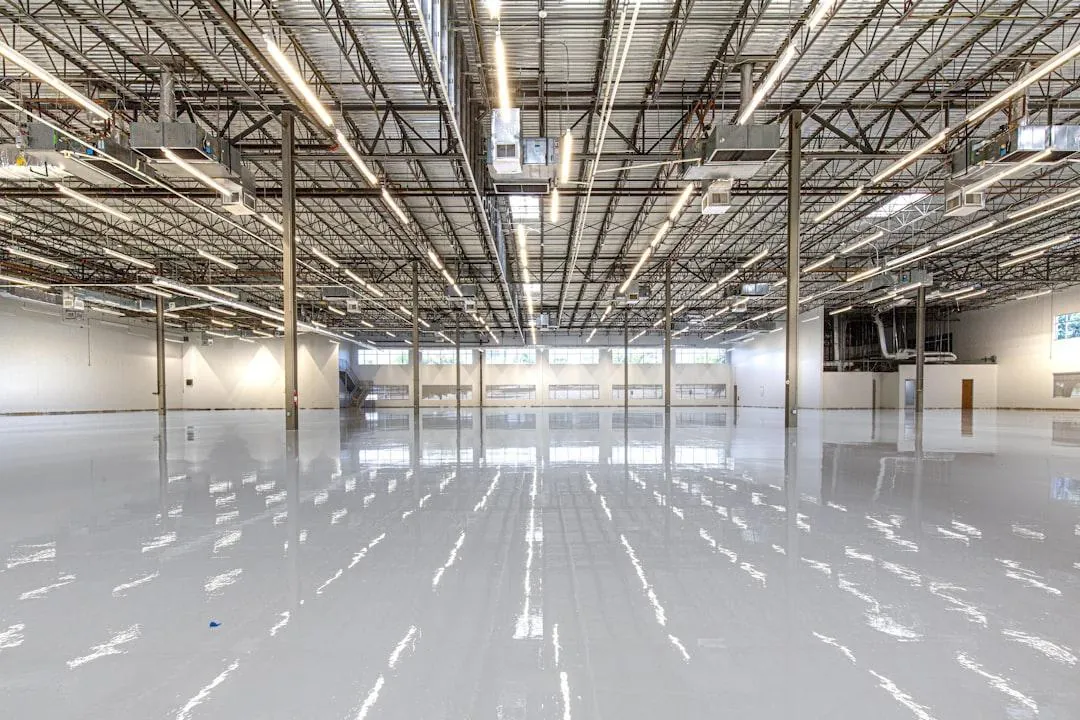
- Industrial facilities and warehouses: concrete floors sealed with clear epoxy stop concrete dusting (the natural shedding of fine powder) and stand up to forklift traffic.
- Medical and healthcare facilities: clear coatings with anti-microbial properties resist harsh sanitizers and frequent washing.
- Schools and institutional buildings: corridors, cafeterias and gyms need tough coatings that withstand daily student activity.
Whatever your industry, protecting interior surfaces pays off over time. See our Charlotte interior painting services for the painting side of the job.
How Clear Coatings Are Prepared and Applied
Applying a clear coat is unforgiving. Paint can hide minor dust or imperfections under a layer of color; a clear coat works more like a magnifying glass. Any dust, moisture, hair or unevenness gets locked under the transparent layer for everyone to see.
A professional application follows a multi-step process:
- Thorough surface cleaning: all grease, oil, wax and dirt must go. For concrete, that often means industrial degreasing and pressure washing.
- Moisture testing: a clear coat over a damp surface is a recipe for disaster. Trapped moisture tries to escape and makes the coating bubble, cloud or peel, so the surface is tested to make sure it's dry.
- Surface profiling (etching or sanding): the surface needs the right texture for the coating to bond. Wood is finely sanded, painted walls lightly abraded, and concrete ground or etched.
- Precise application: clear coats must go on at a consistent thickness. Too thin and they don't protect; too thick and they can cure cloudy. Professionals use HVLP sprayers or lint-free rollers for an even layer.
- Controlled curing: clear coatings need specific temperature and humidity to cure, so weather and indoor conditions are watched closely.
Prep matters even more on exteriors, which have to stand up to the elements. Learn about Charlotte exterior painting and how outdoor surfaces are prepared for adhesion.
Why Professional Application Matters
DIY or a general handyman can look cheaper upfront, but commercial clear coating takes specialized expertise:
- Avoiding adhesion failure: if the clear coat's chemistry doesn't match the paint or material underneath, it can crack, bubble or peel. A professional knows which products are compatible.
- Specialized equipment: industrial polyurethanes and multi-part epoxies call for respirators and precision spray equipment.
- Safety and compliance: many high-performance coatings come with strict safety requirements during application, and professional crews follow OSHA standards.
Working with an experienced local team means the project is done safely, on time and with a warranty. See our commercial painting services.
Frequently Asked Questions About Commercial Clear Coatings
How long do commercial clear coatings last?
It depends on the formulation and how much abuse the surface takes. An epoxy floor under daily forklift traffic will need a fresh topcoat sooner than a polyurethane coating on office corridor walls, and exterior anti-graffiti coatings that are pressure-washed often may need touch-ups sooner still. Ask for the manufacturer's expected service life for your specific product and use.
Can clear coatings go over existing painted surfaces?
Yes, but compatibility is critical. A high-solids, solvent-based clear coat over cheap latex paint can soften or lift the paint underneath. A good contractor tests adhesion on a small, inconspicuous area first to confirm the clear coat bonds without a chemical reaction.
How do clear coatings reduce maintenance costs?
They make surfaces much easier to clean. Instead of scrubbing painted drywall and rubbing the paint off, you can wipe a clear-coated wall with standard commercial cleaners without dulling its sheen. By preventing scratches, water damage and stains, a clear coat extends the life of your surfaces and pushes back your next major repaint.
Conclusion
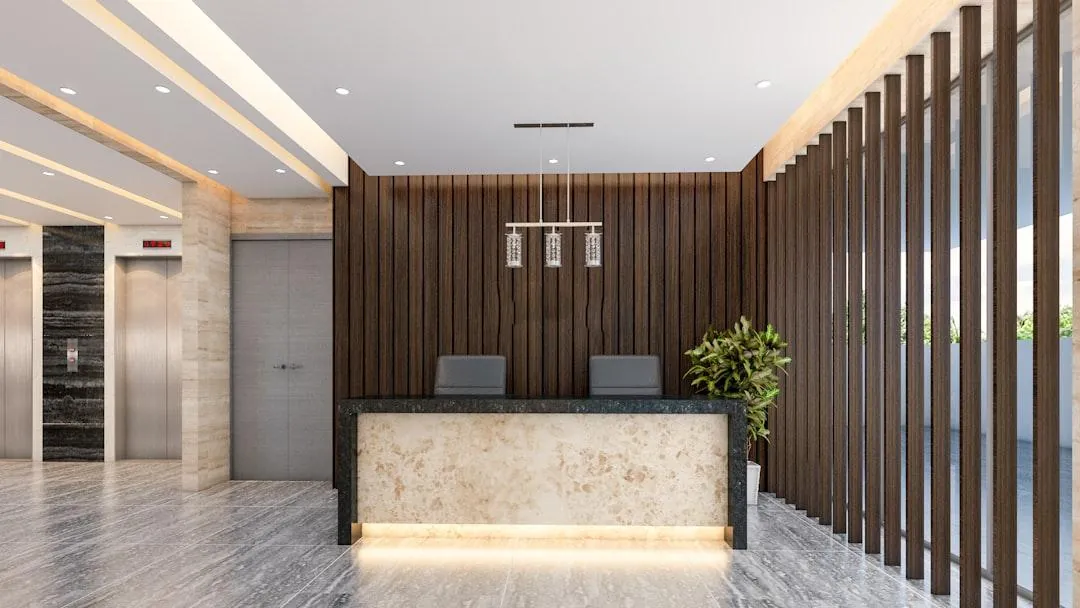
Protecting your business's physical assets doesn't have to be an endless cycle of repainting and patching. The right protective finish creates a durable, easy-to-maintain shield that keeps your property looking good for years.
Brush & Build Brothers serves business owners across the greater Charlotte area, including Matthews, Mint Hill, Huntersville, Concord, Kannapolis, Mount Holly and Monroe, with premium materials, expert craftsmanship and reliable, on-time service. Our commercial painting work is backed by a 1-year workmanship warranty.
Ready to protect your property and sharpen your brand's image? Request a free commercial painting estimate today.